
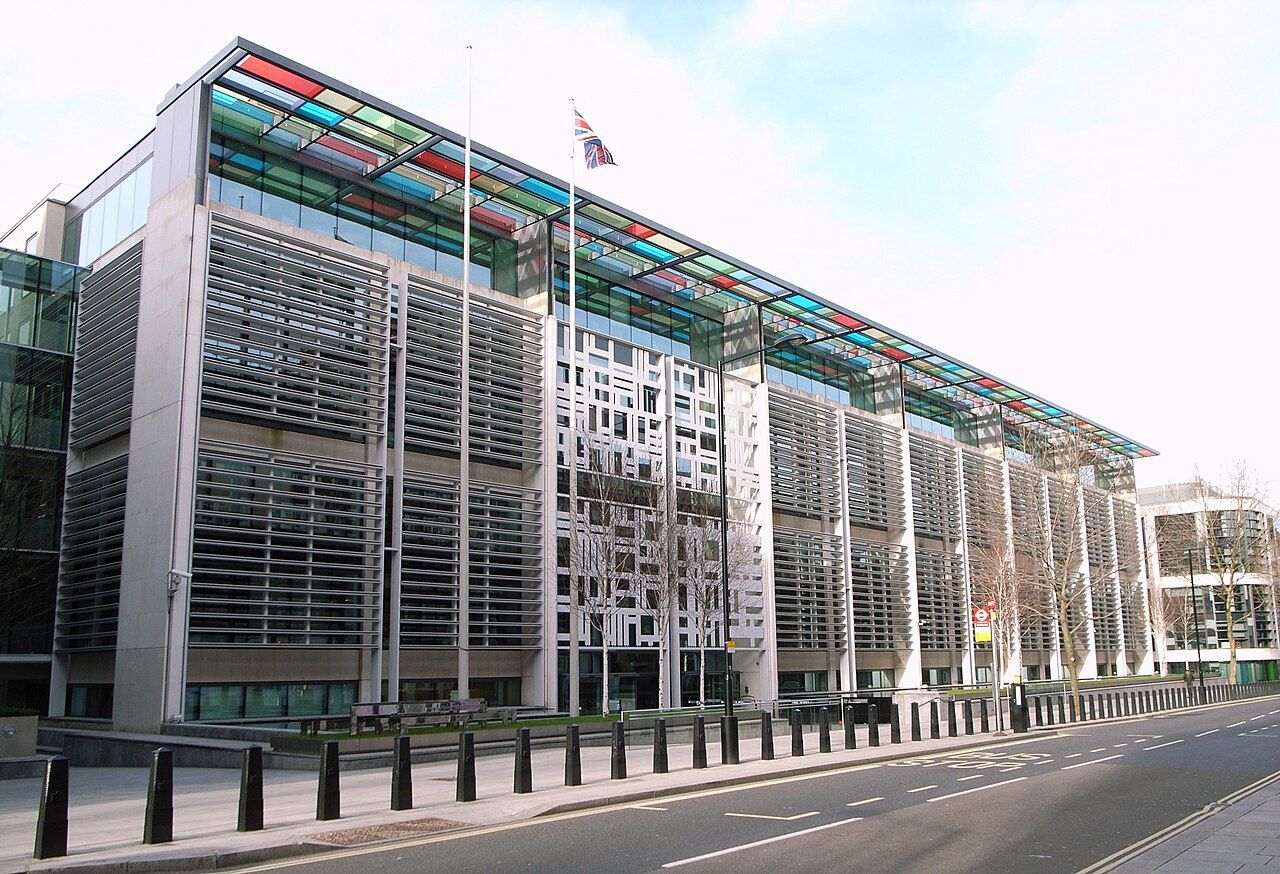

The UK Investigatory Powers Tribunal has ruled that the Home Office cannot claim national security stops it from confirming it served Apple with a technical capability notice.
In a judgment handed down on 19 November, Lady Carmichael, the Tribunal's president, sitting with Mr Justice Chamberlain and Mr Justice Johnson, rejected the Home Secretary's argument that confirmation would damage national security. A technical capability notice is a power under section 253 of the Investigatory Powers Act 2016. The notice served on Apple has been widely reported to require it to maintain access to its users' data in decrypted form.
Government lawyers had argued that confirming the notice would set a damaging precedent for future national security cases. The judges found that the government had not applied its "neither confirm nor deny" policy consistently. They inferred that briefings to newspapers were authorised by ministers, senior officials or special advisers, and noted that Apple had been allowed to brief US officials. The Investigatory Powers Tribunal concluded that anyone "with even a passing interest in this topic already knows" a notice was served, calling the gap between suspecting and knowing "a distinction without a difference".
The ruling stops short of revealing what the notice demands. The judges accepted that publishing all the evidence would harm national security, and said the line between what can and cannot be made public will be drawn once evidence has been exchanged. The parties are working towards a full hearing in the first half of 2027.
The dispute has already changed what Apple offers in the UK. In February 2025 the company withdrew Advanced Data Protection for UK users, the optional setting that end-to-end encrypts iCloud backups, photos and notes so that even Apple cannot read them. Without it, Apple holds the keys and can disclose that content in response to valid legal demands. A student whose coursework photos sit in iCloud, or a small firm backing up staff phones, now relies on that standard protection. Cyber-security expert Prof Alan Woodward of the University of Surrey called the withdrawal "an act of self-harm" by the government at the time.
The notice has also changed shape since. In August 2025 Tulsi Gabbard, then US Director of National Intelligence, said the UK had agreed to drop its demand for a back door into the encrypted data of American citizens. A second notice limited to British users was reported on 1 October 2025. Apple's first claim was dismissed after a change of circumstances, and it began a second in July 2026.
That claim sets out five grounds. They include whether the Home Secretary can issue warrants for targeted interception of communications outside the UK, and whether the statutory power can be used to regulate the security or privacy services a technology company offers its customers. The Tribunal said those two are questions of statutory interpretation that can be decided entirely in open court. Another ground asks whether Apple has been treated differently from other technology companies.
For a UK tech sector valued at over $1 trillion, the answers will help show how far a notice under the Investigatory Powers Act 2016 can reach into the security features of products that British businesses and consumers use every day.






Nothing to preview yet...
Commenting as guest. to reply and like comments.
No comments yet. Be the first to comment!