
Hiring is the one job most founders never trained for, yet it's the one that decides whether the next twelve months go smoothly or badly. If you pick the wrong startup hiring platform, you'll spend weeks sorting through applicants who were never right for an early-stage team. And if you pick the right one, your first ten hires start feeling less like a gamble, more like a process you can actually repeat confidently.
This guide breaks down the platforms actually worth a UK startup's time in 2026, what each one does well, where it falls short, and which stage of company it suits.
Why the Platform You Choose Actually Matters
A generic job board optimised for volume will hand you hundreds of applications and very few good ones. A startup hiring platform built around early-stage hiring does the opposite: fewer applicants, but ones who already understand that joining a six-person company means equity, ambiguity, and a job description that will change in three months.
For UK founders specifically, there's a second layer. Right-to-work checks, UK-specific salary benchmarks, and candidates who actually want to relocate to Manchester or Bristol rather than San Francisco all matter more than most generic hiring advice accounts for.
What a Good Startup Hiring Platform Should Actually Do
Before comparing tools, it helps to know what you're grading them against. A platform built for startup hiring should offer:
- A fast setup — founders don't have weeks to spend on implementation
- Transparent, usage-based pricing rather than enterprise-only contracts
- Candidate pools that already lean toward early-stage, high-ambiguity roles
- Built-in scheduling, screening, and reporting so a lean team isn't juggling five tools
- Some route to UK-specific compliance, even if it's a partner integration rather than a native feature
Keep that list in mind, it's the filter every platform below gets run through.
How We Selected These Platforms
- Speed to launch — how fast a founder with no HR background can go from signup to first job post
- Pricing transparency — no forced "book a demo" walls just to see what it costs
- Startup-fit candidate pool — whether the platform actually reaches people looking to join early-stage teams, not just any job seeker
- UK relevance — coverage, compliance support, and salary norms suited to hiring in the UK specifically
- Room to grow — whether the platform still works once you're hiring your 10th person, not just your 1st
1. Workable — best for launching fast
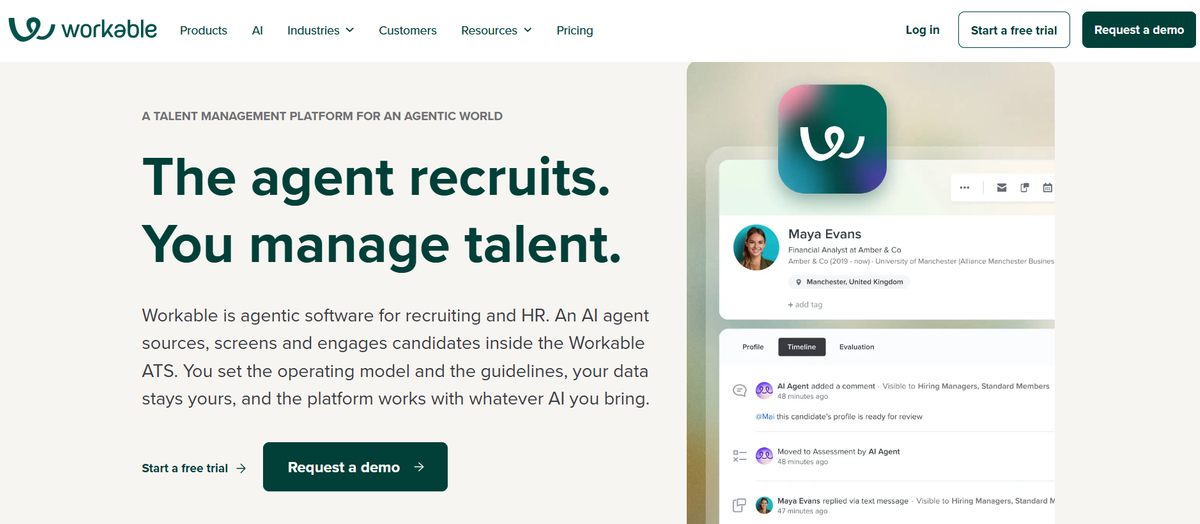
Workable is the platform most UK startups reach for first, and for good reason. One of its strongest advantages for startups is how quickly a team can get started, without a heavy implementation cycle, ideal for companies that need to hire now rather than months later.
Workable has grown well beyond a simple job board: the company has repositioned across 2025 and 2026 as a broader HR platform spanning hiring, HRIS, time tracking, and payroll.
If you're a founder posting your first two or three roles with no dedicated HR person, Workable is the startup hiring platform that asks the least of you upfront.
2. Ashby — best for data-driven, venture-backed teams
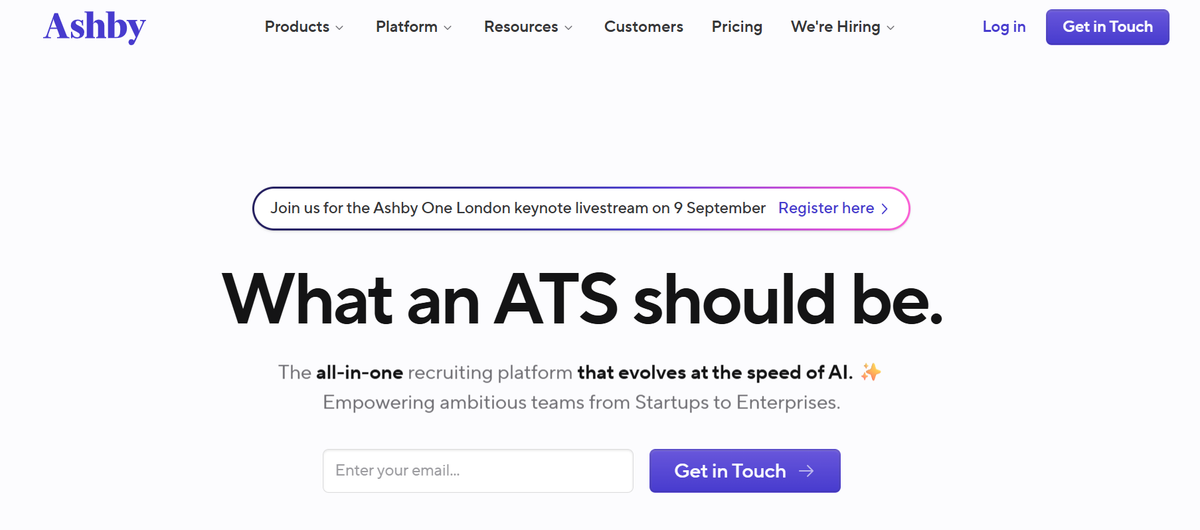
Once a startup has raised a proper seed or Series A round and hiring becomes a repeatable process rather than a one-off scramble, Ashby tends to be the next step up.
Ashby combines applicant tracking, scheduling, sourcing, and analytics in one system, and it's built with the kind of reporting rigour that investors and ops-minded founders tend to want. It stands out for BI-grade native analytics, particularly in engineering-led startups.
The trade-off is that Ashby rewards a company that already has some hiring structure. If you don't yet know what your funnel looks like, this platform will feel like more than you need.
3. Pinpoint — best for multi-brand or fast-scaling teams
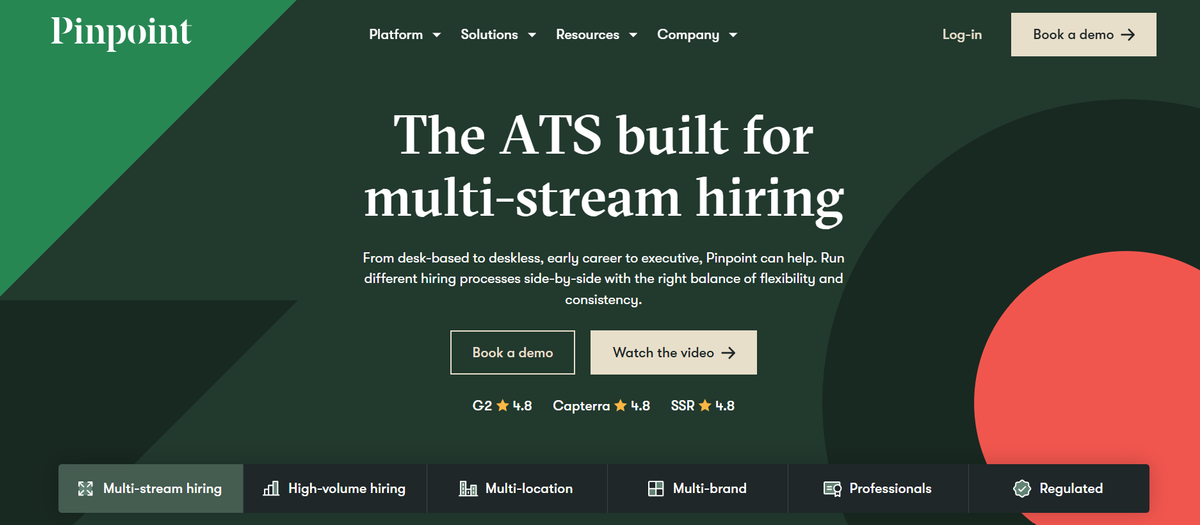
Once hiring spans more than one office, brand, or hiring type, most tools start to fragment your data. Pinpoint runs every hiring stream through one system, so funnel and recruiter reporting come from a single place, and hiring records stay audit-ready if a decision is ever challenged.
Pinpoint also connects cleanly to UK-specific HR systems, Pinpoint integrates with tools like iTrent, Access PeopleHR, and IRIS Cascade, this is very important once you're handing hiring data over to a proper HR stack.
This isn't the first startup hiring platform most founders need, but it's often the one they eventually graduate to.
4. Wellfound (formerly AngelList Talent) — best for tech-specific sourcing
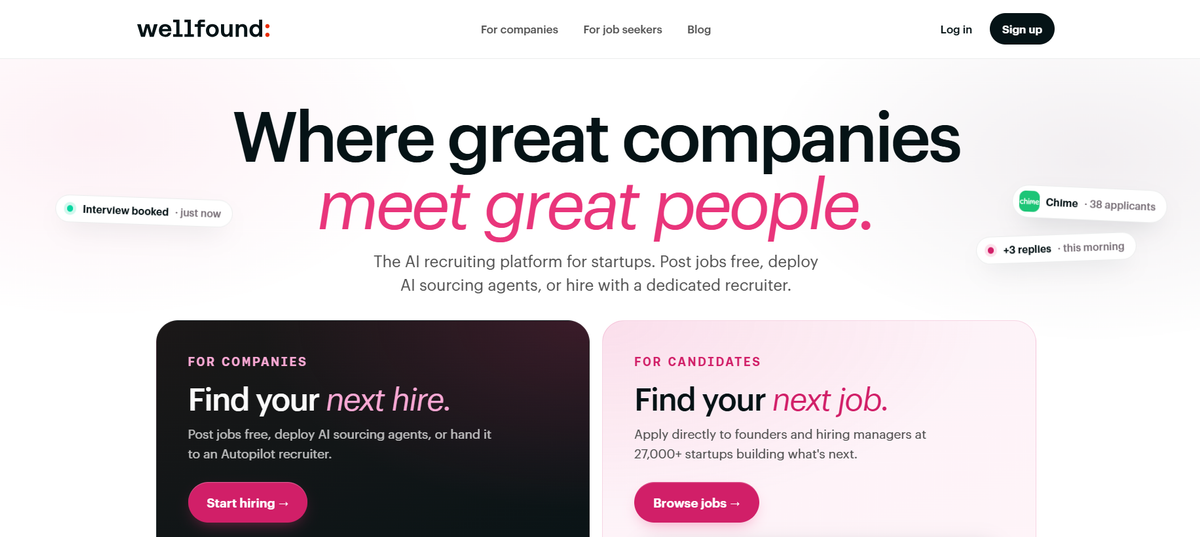
Wellfound remains one of the most recognisable names for startup hiring globally, and UK founders hiring technical roles still find it useful for reaching candidates who are specifically looking to join early-stage companies rather than established employers.
Wellfound is best used as a global tech and startup hiring platform rather than a general-purpose job board, when you post a niche technical role there, you'll get fewer applicants, but ones who already understand the deal.
5. Otta (part of Welcome to the Jungle) — best for UK tech and mission-driven hiring
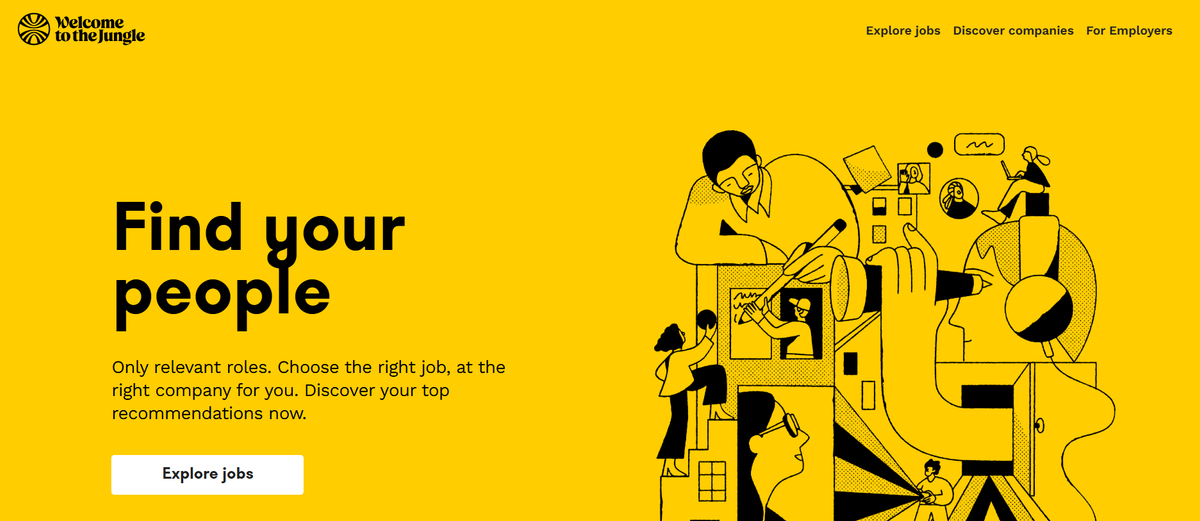
For founders hiring specifically into the UK's tech and startup scene, FinTech in London, life sciences in Cambridge, and everything in between, Otta has built a genuine niche.
Otta flips the usual dynamic: instead of employers vetting candidates first, Otta helps candidates vet employers, showing salary transparency on most listings and filters for mission-driven roles such as sustainability and FinTech.
If your pitch to candidates leans on mission and culture as much as salary, this is worth the listing.
6. Reed — best for UK-wide reach beyond London
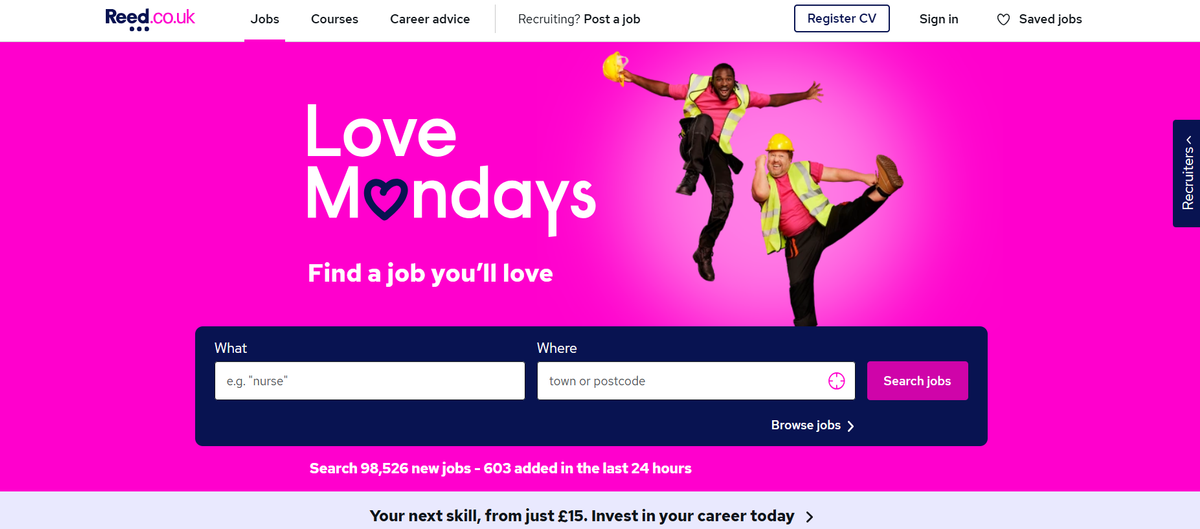
Reed is the platform that needs no introduction to UK hiring, but it's worth including here because it still earns its place for startups hiring outside the capital. Reed is one of the most established hiring platforms in the UK, with millions of monthly applications, and its strength is broad UK coverage and credibility with job seekers, though it's less tailored to tech or startup roles than niche boards.
Reed has also modernised for 2026, pairing job listings with its Reed Courses arm, so candidates missing a specific certification get pointed toward the exact course to close that gap.
We previously reported on how UK startups are compressing their operational stack — how to use AI for customer support covers a similar "do more with less" approach for early support teams.
7. LinkedIn Recruiter — best for longer-term pipeline building
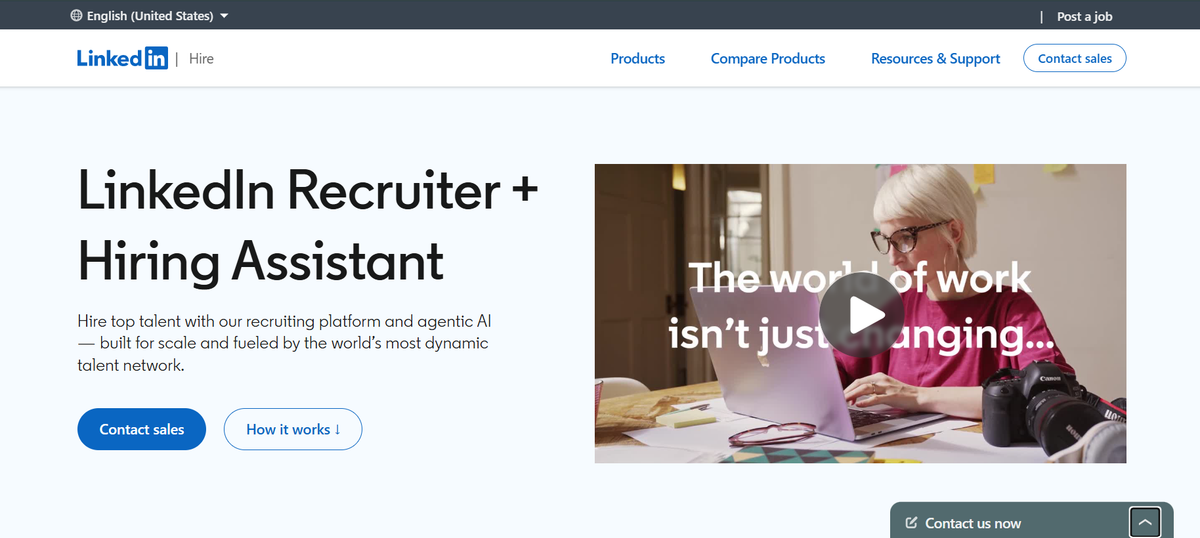
LinkedIn still matters, particularly once a startup hiring platform strategy shifts from "fill this role now" to "build a pipeline for the next six months."
It offers access to a large CV database, AI-powered resume screening, and employer branding tools, though it's generally better suited to companies building a longer-term pipeline than filling one urgent role.
Infographics
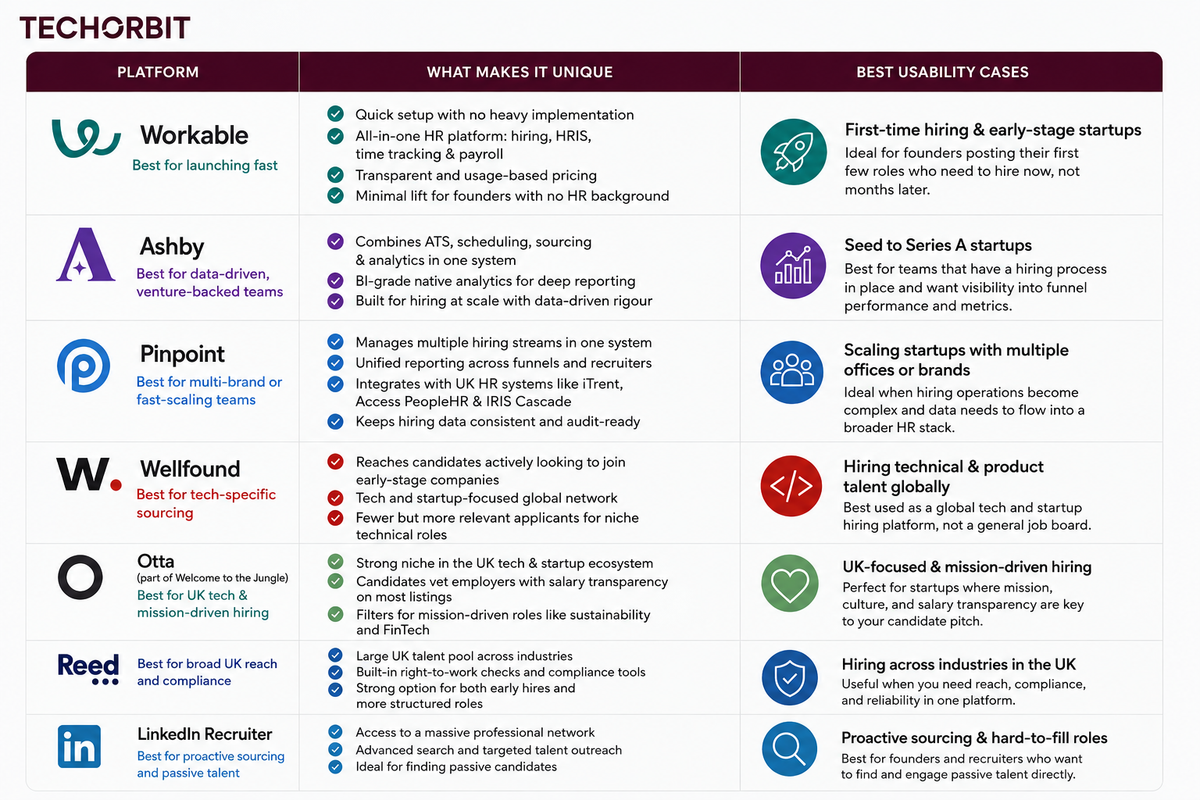
How to Choose, By Stage
- Pre-seed, first 1–3 hires: Workable or Wellfound. Speed and low overhead matter more than reporting depth.
- Seed to Series A, building a real hiring process: Ashby, paired with Otta for candidate reach.
- Series A+, scaling across teams or locations: Pinpoint, connected into your HR stack.
- Hiring outside London or across the whole UK: Reed, alongside whichever startup-specific platform you're already using.
Speaking of the building process without adding headcount — our guide on tracking SaaS metrics on a single dashboard is a useful companion once your hiring data needs the same kind of visibility.
Common Mistakes Founders Make Choosing a Startup Hiring Platform
1. Picking the platform with the most candidates, not the right ones.
A startup hiring platform with millions of users sounds appealing until you're the one reading five hundred CVs for a two-person engineering team.
2. Ignoring right-to-work and UK compliance until it's a problem.
Ask any platform directly what's native versus handled by a partner integration before you commit, this is a detail worth confirming through the UK government's own right to work checking service, which stays the authoritative source regardless of which platform you use.
3. Running recruiting as a bolt-on to an HR system rather than a dedicated tool.
The pattern that tends to work better is a dedicated pre-hire platform connected to your HRIS through a single, well-tested integration, rather than treating hiring as a module inside broader HR software.
4. Underestimating how much manual outreach still matters.
Even the best startup hiring platform performs better when paired with direct founder outreach, a message from a CEO still converts better than a passive listing, especially for a company nobody's heard of yet.
This ties closely into how early teams automate the boring parts of outreach, our piece on startup automation with Zapier is worth a look if you're trying to connect your hiring platform to the rest of your stack.
Frequently Asked Questions
1. What's the best startup hiring platform for a founder with no HR experience?
Workable, for its low setup overhead, most founders can post a role and start screening candidates within a day.
2. Do UK startups need a UK-specific hiring platform, or is a global one fine?
Global platforms like Wellfound work well for technical roles, but a UK-focused option like Reed or Otta tends to perform better once you're hiring outside London or need candidates already based in the UK.
3. How much should an early-stage startup expect to pay for a hiring platform?
Pricing varies widely and most platforms now quote custom rates, but expect entry-level plans to be manageable for a small team, with costs scaling as you add users, job slots, or reporting features.
4. Is it worth using more than one hiring platform at once?
Often, yes. Many founders pair a startup-specific network like Wellfound or Otta with a broader platform like Reed or LinkedIn to cover both niche and general reach.
5. If I can just hire an HR person, why do I need a startup hiring platform at all?
Because an HR hire still needs somewhere to post roles, screen candidates, and run the process, a person without a system just means one more thing to manage manually.
Most early-stage founders don't have the runway for a full-time HR hire in the first place, and even once they do, that person works faster and better with a proper startup hiring platform behind them rather than a spreadsheet and a job board. The two aren't a choice between one or the other; the platform is what makes the HR hire worth the salary.
Getting the First Hire Right
The platform is only half the job. A startup hiring platform can put the right person in front of you, but the interview process, the offer, and the honesty about what the role actually involves still rest with the founder. Get the tool right, and that part gets considerably easier.
As the business grows, founders also need to think beyond recruitment. For businesses selling physical products, SendMercury helps vendors list and manage their products across more than 70 e-commerce platforms worldwide, giving them a way to reach customers in international markets.
For teams that want to move fast once a hire lands, check our guide on building an MVP as a solo or small technical team, a useful next step once your hiring pipeline is sorted.
Nothing to preview yet...
Commenting as guest. to reply and like comments.
No comments yet. Be the first to comment!