
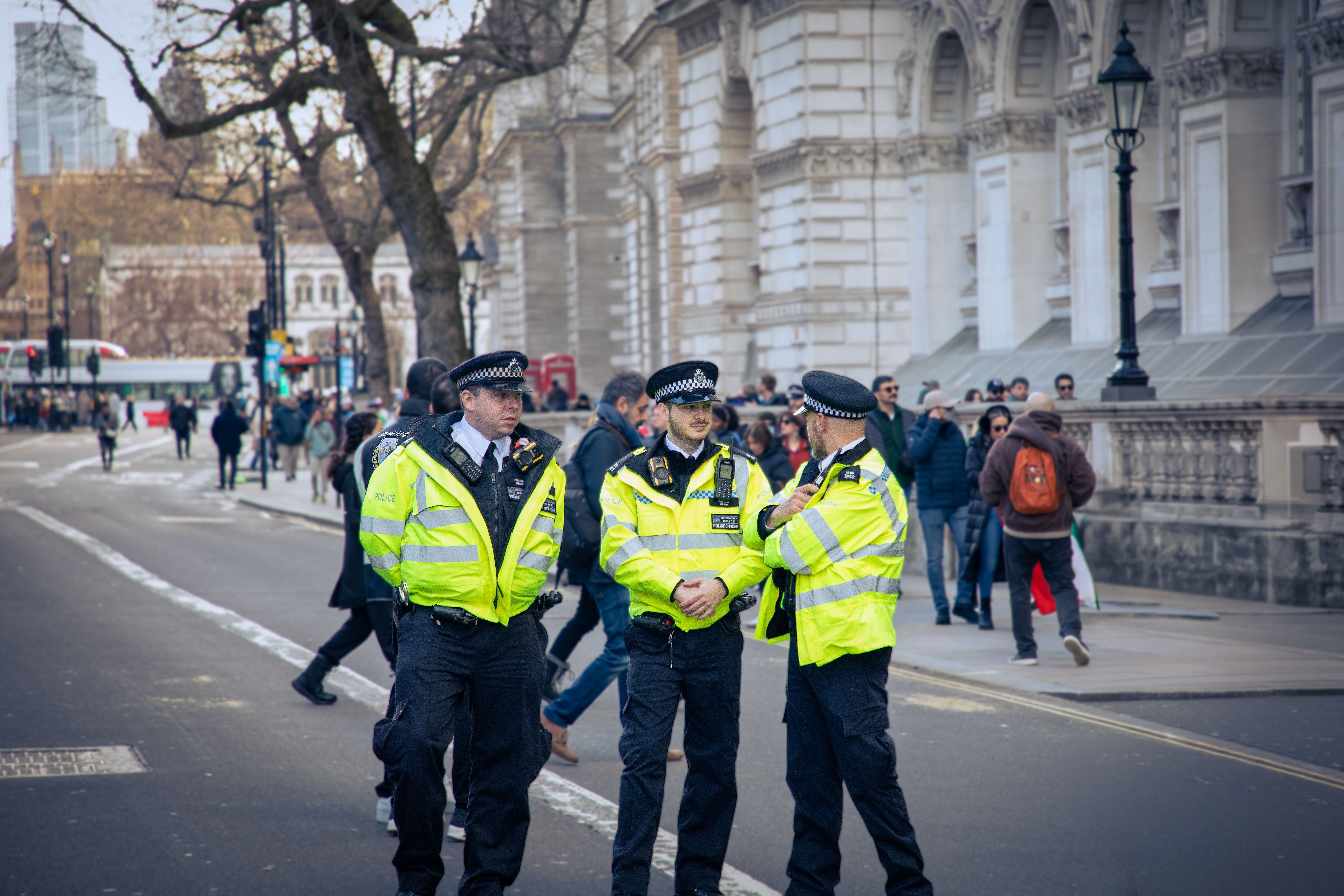

The London Metropolitan Police began a six-month pilot on 17 November that lets 100 officers photograph people on Met-issued phones and search the image against around one million custody images through a facial recognition app.
A person stopped by one of those officers who cannot or will not confirm who they are, or whose answers the officer doubts, can now have their face checked on the spot, which the Mayor of London has said is meant to spare people an arrest and a trip to a police station. Officers must say why they are taking the photo but do not need permission, and the app is meant for identifying suspected offenders or people officers believe may be at risk. Commander Nick John said it would not be used to photograph people from a distance who are not suspected of any offence. Officers uploaded 15 photos in the first 24 hours, more than he expected. The pilot excludes under-18s, officers will not use force if someone covers their face, and the force will review the results before deciding on a wider rollout.
The technology is operator-initiated facial recognition, a phone-based version that differs from the live camera vans and fixed cameras the London Metropolitan Police already uses across the capital. The Mayor of London confirmed in February that the pilot involves around 100 devices with about £763,000 allocated, at a time when the Met's website still said it did not use the technology. South Wales Police already runs similar phone checks using NEC's NeoFace algorithm, and Big Brother Watch found that non-white people there were almost four times as likely to be scanned as white people.
The London Metropolitan Police pilot arrives weeks after the Home Office set out plans on 4 November for an independent watchdog that could pursue court injunctions against forces that fail to comply, a specific law requiring police use to be intelligence led and proportionate, and independent testing of any technology for bias by age, gender and race. The government also backed £11 million to triple the number of live facial recognition vans, and said static cameras piloted in Croydon between October 2025 and March 2026 led to 173 arrests.
For the UK tech sector, the bias-testing requirement falls directly on the companies building these systems, and the Home Office plans a separate code of practice for businesses such as shops that use facial recognition to tackle crime. techUK's Sue Daley said it is "right that the public's concerns are properly addressed" and that members support clear, consistent regulation.
Liberty director Akiko Hart said operator-initiated facial recognition "combines all of the problems of stop-and-search with those of facial recognition". StopWatch UK's Habib Kadiri said not enough had been done to reduce racial bias in the technology. The London Metropolitan Police has said it will monitor accuracy, performance and usage data with regular reviews, including for signs of disproportionality, and its facial recognition lead Lindsey Chiswick said in February that the biometric information of anyone with no match is deleted straight away.
This follows an earlier report by TechOrbit on the Home Office and facial recognition in immigration.
The watchdog and codes of practice are still to be built, so the London Metropolitan Police pilot's accuracy and disproportionality data will arrive while the rules it will be judged against are being written.

Nothing to preview yet...
Commenting as guest. to reply and like comments.
No comments yet. Be the first to comment!